
Call (612) 998-6901 - Mold Remediation | Black Mold Removal | HEPA Filtration
Mold specialists from Water Damage Cleanup .AI CORP | American Restores Group using HEPA filtration, negative air containment barriers, and protocols that follow industry standards. Protect your health with safe, complete mold elimination and prevention from 8175 Parell Ave NE, Otsego, MN 55330.
Industry Standards
Mold remediation done to industry standards
HEPA Filtration
99.97% spore capture rate
24/7 Available
Emergency mold response
Mold Remediation Equipment - HEPA Air Scrubbers, Negative Air Machines, Antimicrobial Foggers
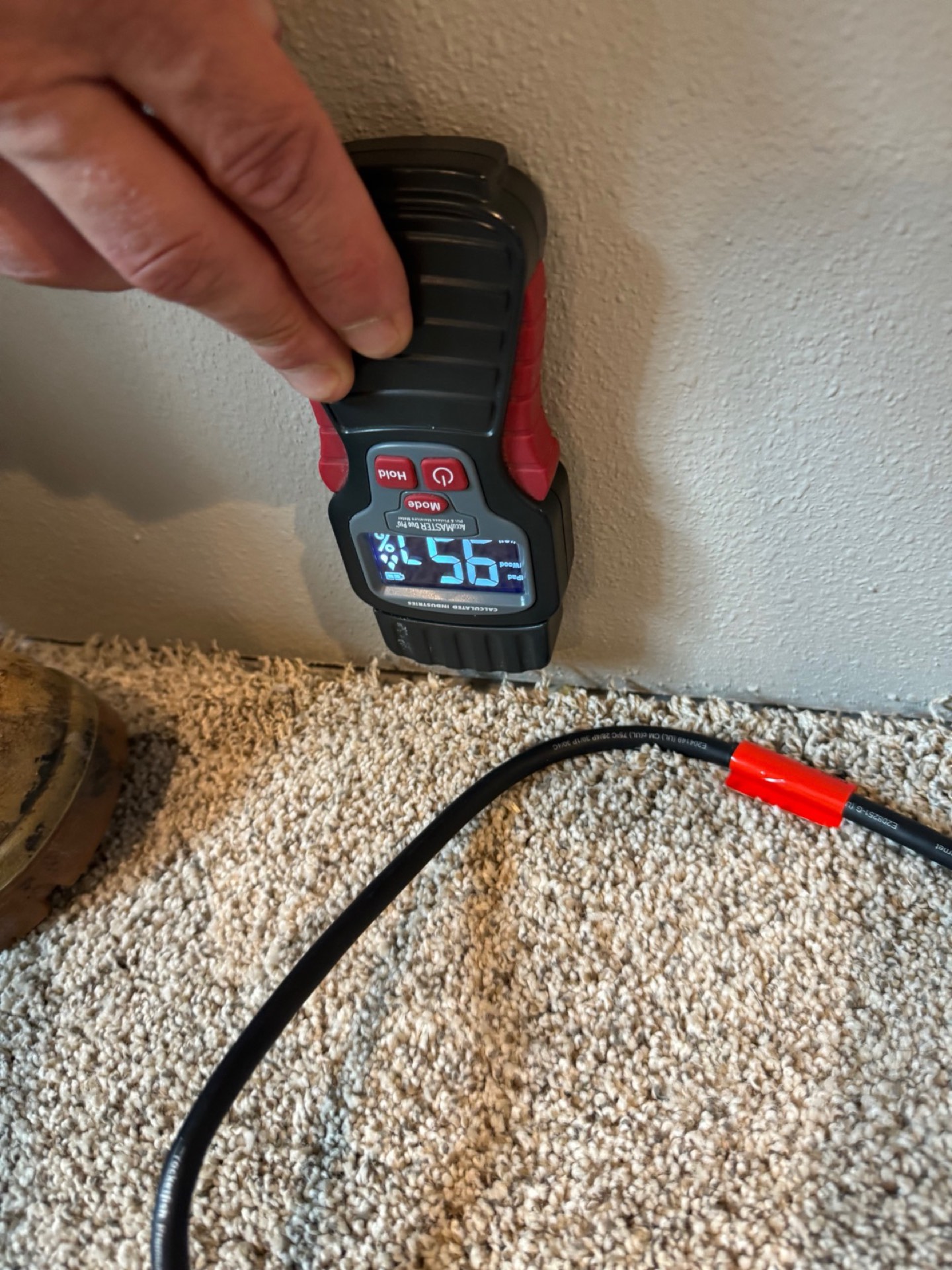

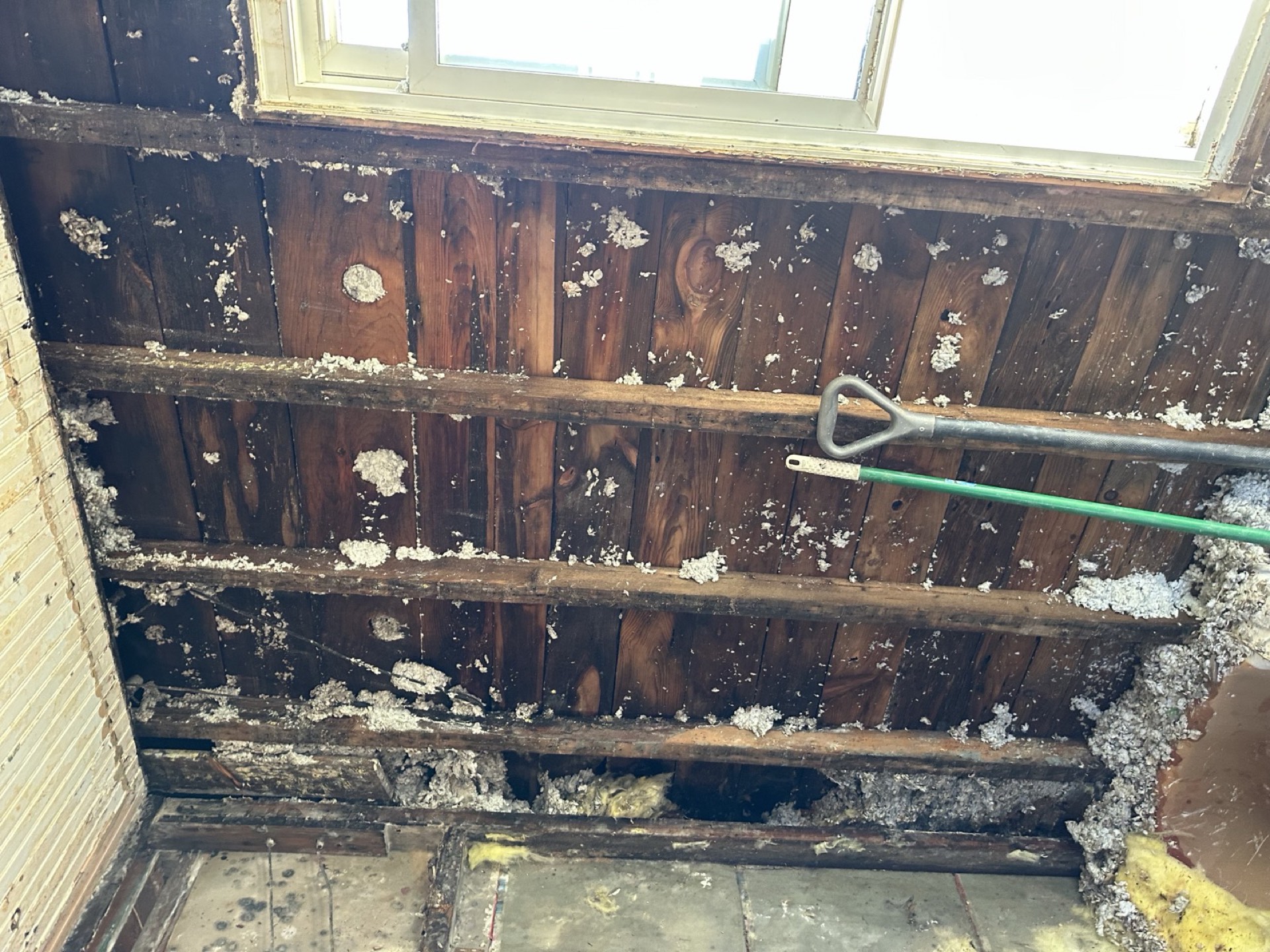
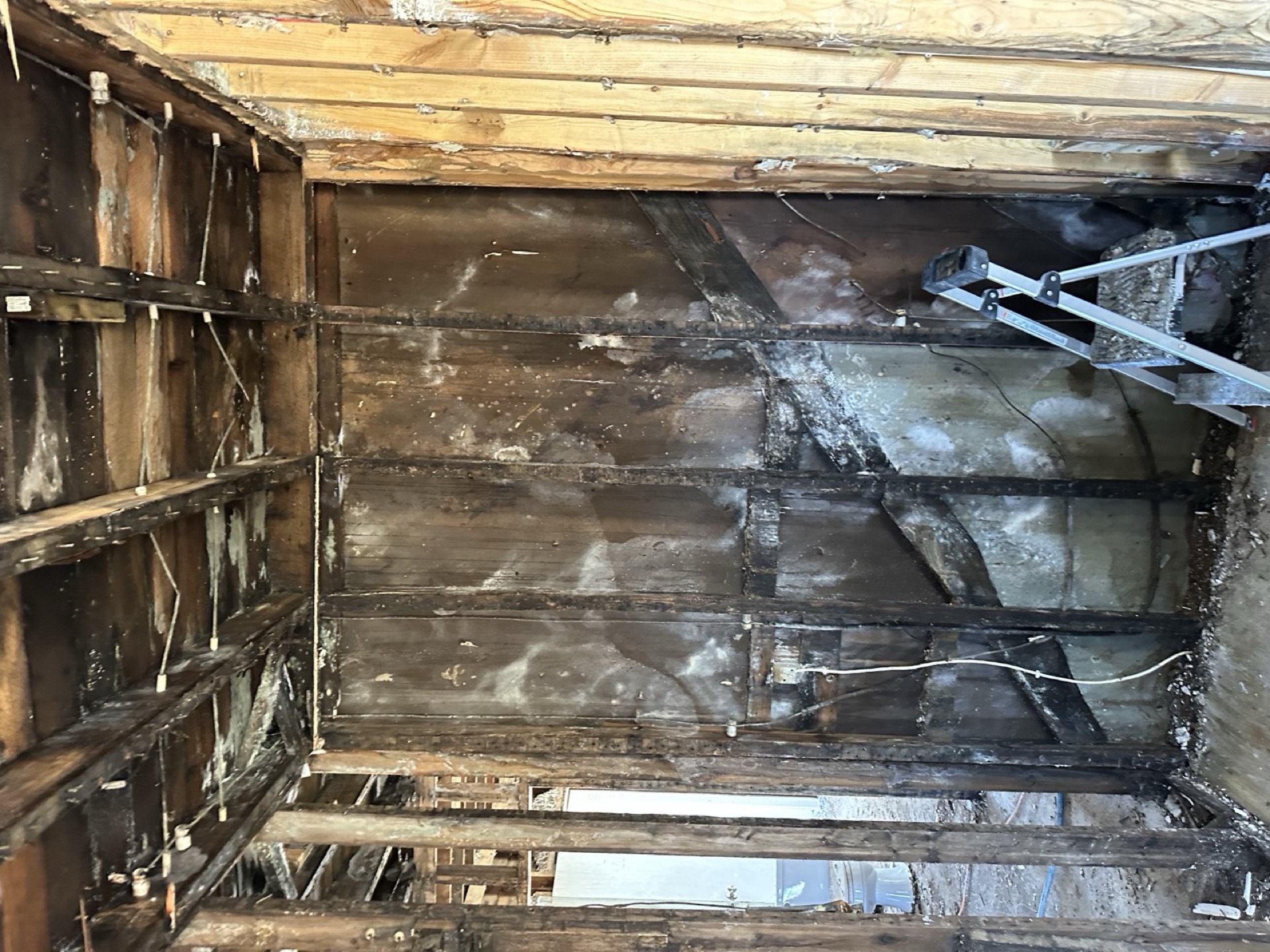
Why DIY Mold Removal Fails - Call (612) 998-6901 for Safe Removal
DIY Spreads Contamination
Disturbing mold without containment releases millions of spores throughout your property, creating worse contamination in previously unaffected areas.
Health Risk Exposure
Black mold produces mycotoxins causing respiratory issues, chronic fatigue, neurological problems, and severe allergic reactions requiring immediate professional intervention.
Hidden Mold Growth
Visible mold is often just a fraction of the problem. Professionals use thermal imaging and moisture meters to find hidden colonies behind walls, under floors, and in HVAC systems.
Improper Material Disposal
Contaminated materials require special handling and disposal. Improper removal contaminates vehicles, homes, and disposal sites with mold spores.
Moisture Source Failure
Without identifying and fixing the moisture source, mold returns within weeks. Professionals use advanced equipment to find and eliminate all moisture problems.
Cross-Contamination Risk
Without negative air pressure and HEPA filtration, mold spores spread through your entire property via HVAC systems and air currents during cleanup attempts.
Mold Remediation Process - (612) 998-6901 - Industry Standards
Inspection & Testing
Assessment1 dayComprehensive mold inspection with moisture mapping, thermal imaging, and air quality testing to identify all visible and hidden mold colonies.
Isolation & Air Control
Containment4-8 hoursEstablish physical containment barriers with polyethylene sheeting and negative air pressure to prevent mold spore migration to clean areas.
Material Removal & Cleaning
Removal1-3 daysRemove all mold-contaminated porous materials (drywall, insulation, carpeting) and HEPA vacuum all surfaces. Clean non-porous materials with antimicrobial solutions.
Antimicrobial Application
Treatment1 dayApply antimicrobial and antifungal treatments to all affected surfaces to kill remaining mold and prevent regrowth.
Moisture Control & Restoration
Prevention2-5 daysIdentify and repair moisture sources, install dehumidification, and restore affected areas. Conduct post-remediation verification testing.
Mold Remediation Timeline by Severity - Call (612) 998-6901 for Assessment
Minor Mold
< 10 sq ft
1-2 daysSingle surface, non-porous material, no HVAC involvement
Surface cleaning, antimicrobial treatment, moisture source repair
Moderate Mold
10-100 sq ft
3-5 daysMultiple rooms, some porous materials, limited structural impact
Containment setup, material removal, HEPA cleaning, air testing
Extensive Mold
> 100 sq ft
1-2 weeksMultiple rooms, walls/ceilings, HVAC contamination, structural damage
Full containment, negative air, extensive removal, duct cleaning, restoration
Black Mold, Aspergillus, Penicillium Removal
Black Mold (Stachybotrys)
Produces mycotoxins causing severe health issues. Requires professional removal.
Color: Black/dark greenAspergillus
Common indoor mold causing allergic reactions and respiratory infections.
Color: Various colorsPenicillium
Blue-green mold often found on water-damaged materials and food.
Color: Blue-greenCladosporium
Olive-green mold growing on fabrics, wood, and in HVAC systems.
Color: Olive-green/brownAlternaria
Dark mold found in damp areas like showers and basements.
Color: Dark brown/blackFusarium
Pink/white mold thriving in cold, damp conditions.
Color: Pink/white/redRelated Services
We also provide comprehensive services including:
Commercial HEPA Filtration & Negative Air Pressure Equipment
HEPA Air Scrubbers
AIR QUALITYCapture 99.97% of airborne mold spores during remediation, preventing spread to clean areas and improving indoor air quality.
Negative Air Machines
CONTAINMENTCreate negative pressure containment to prevent mold spores from escaping treatment areas through doors, vents, or air leaks.
Thermal Imaging Cameras
DETECTIONDetect hidden moisture behind walls, under floors, and in ceilings where mold grows invisibly before breakthrough occurs.
Moisture Meters
MONITORINGMeasure moisture content in materials to identify water sources, track drying progress, and verify complete moisture elimination.
Industrial Dehumidifiers
DRYINGControl humidity levels below 50% to prevent mold growth and accelerate drying of water-damaged structural materials.
Antimicrobial Foggers
TREATMENTDisperse antimicrobial solutions throughout affected areas to kill mold on all surfaces including hard-to-reach areas.
Mold Health Risks - Why Immediate Removal Matters - (612) 998-6901
Immediate (24-48 hours)
- Nasal congestion and sneezing
- Eye irritation and watery eyes
- Throat irritation and coughing
- Skin rashes and itching
Short-term (Days to Weeks)
- Chronic sinus infections
- Wheezing and asthma attacks
- Persistent headaches
- Fatigue and difficulty concentrating
Long-term (Months+)
- Chronic respiratory infections
- Memory problems and confusion
- Immune system suppression
- Mycotoxin poisoning (black mold)
Mold Removal FAQ
What other substances besides water cause health problems in a home?
Beyond water damage, several substances create serious health hazards in homes: sewage and black water contain bacteria, viruses, and parasites; mold produces mycotoxins and allergens; asbestos in older buildings causes lung disease when disturbed; lead paint creates neurological risks especially for children; radon gas from soil causes lung cancer; carbon monoxide from faulty appliances is deadly; volatile organic compounds (VOCs) from paints and cleaners affect respiratory health; and pest droppings from rodents or cockroaches trigger allergies and spread disease. Professional assessment identifies these hazards, many of which appear after water damage or during restoration work.
What cleaning solutions are safe and effective for different types of mold after water damage?
For minor surface mold on non-porous materials (< 10 sq ft), use detergent and water solution scrubbed thoroughly, or a diluted bleach solution (1 cup bleach per gallon water) on hard surfaces only—never on porous materials like drywall or wood. White vinegar (undiluted) is a natural alternative that kills many common mold species. Borax solution (1 cup per gallon water) prevents regrowth. For black mold or areas over 10 sq ft, only antimicrobials used by professionals are safe and effective. Never mix bleach with ammonia or acids (creates toxic gases). Always ensure proper ventilation, wear N95 masks and gloves, and address the moisture source or mold returns.
What's a HEPA filter and why is it used for mold remediation?
A HEPA (High-Efficiency Particulate Air) filter captures 99.97% of particles as small as 0.3 microns, including mold spores which range from 1-30 microns. During mold remediation, HEPA filters are essential in air scrubbers and negative air machines to prevent mold spores from spreading to clean areas when disturbed. Regular HVAC filters miss these tiny particles, allowing contamination. Professional remediation uses HEPA vacuums to clean all surfaces, HEPA air scrubbers to continuously filter air during work, and negative air machines with HEPA filters to maintain containment pressure. This prevents the millions of spores released during removal from spreading throughout your property and creating worse contamination. HEPA filtration is called for by industry standards for safe mold remediation.
Common questions:
Mold Emergency? Call (612) 998-6901 - HEPA Containment Within 60 Minutes
We seal off the area and clean the air so mold spores don't spread through your home